 Back
5 Most Common Period Irritations You Should Look Out For
Even strong women feel uneasy when their periods are right around the corner.

A few days before their period arrives, an itch starts coming up. Then there are cramps and mood swings, not to mention that perpetual lower back pain. But with a sudden change in hormones, where do we draw the line between discomfort and a period problem waiting to be unearthed? Continue reading to find out.
What Normal Discomforts Happen Before a Period?
The first step is to recognize the usual signs that come before a period. These may include:
- Skin breakouts
- Slightly increased itching around the intimate area
- Cramps a few days before the period begins
When Should Someone Worry?
Knowing what their usual period symptoms feel like can make it easier to spot signs of an infection or another concern.
Here are some of them:
Vaginal Skin Irritation
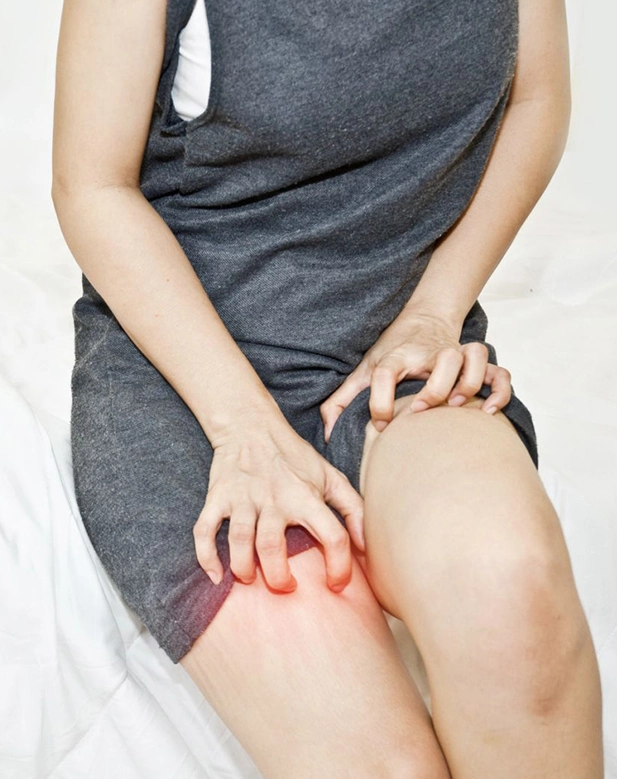
Irritation around the intimate area is one of the milder reactions that can occur, but it is still worth paying attention to. It may appear as itching, redness, or, in some cases, a rash.
Several everyday factors can contribute to this discomfort, including:
- Underwear: Certain fabrics or materials may cause friction or irritation, especially when underwear is tight or not breathable.
- Sanitary products: The materials, fragrances, or other components in some pads or tampons may irritate the vulva (another name for your genitals), especially if you have sensitive skin.
- Hormonal changes: Shifts in hormones throughout the menstrual cycle can sometimes make the skin more sensitive.
- Heat and moisture: Hot, humid weather combined with synthetic underwear can trap sweat and moisture, which may contribute to discomfort.
Bacterial Vaginosis
Period itch can happen, but when it comes with a fishy odor and unusual gray or grayish-white discharge, it could be a sign of bacterial vaginosis (BV). BV happens when the normal balance of bacteria in the vagina is disrupted, allowing certain bacteria to grow more than usual.
Here are some of its symptoms:
- a strong fishy odor
- unusual discharge
- itching, burning, or irritation
While your period can temporarily affect the vaginal environment, being on your period doesn’t automatically mean you’ll develop BV. Other factors can increase the likelihood of BV, including:
- Unprotected sex: Having sex without condoms may be associated with a higher risk of BV.
- Douching: Douching (washing the inside of the vagina with water or other mixtures of fluids) can disrupt the natural balance of bacteria in the vagina and is generally not recommended.
- Multiple or new sexual partners: A change in sexual partners may increase the likelihood of BV.
Yeast Infection
A yeast infection, also known as candidiasis, happens when Candida yeast grows excessively in the vagina. Some factors can make yeast overgrowth more likely, including hormonal changes, antibiotic use, pregnancy, or having high blood sugar.
One of the most noticeable signs is intense itching down there, which can sometimes come with the following:
- swelling, soreness, or a burning sensation
- thick, white discharge that can look a little like cottage cheese, although symptoms can vary from person to person.
Chlamydia
Chlamydia is a common sexually transmitted infection (STI) caused by the bacterium Chlamydia trachomatis. It can affect the vagina, cervix, rectum, throat, or other areas depending on the type of sexual contact.
Symptoms of Chlamydia include:
- Unusual vaginal discharge
- Burning or pain when urinating
- Lower abdominal or pelvic pain
- Pain during sex
- Bleeding between periods or after sex
It’s also worth clearing up some common misconceptions about how this STI is spread:
- STIs like chlamydia aren’t spread through casual physical contact.
- Chlamydia isn’t transmitted through kissing.
- Sharing a towel isn’t a typical way to contract chlamydia.
- Chlamydia is primarily transmitted through sexual contact with infected genital secretions, including vaginal, anal, or oral sex.
Pelvic Infection
PID is an infection of the female reproductive organs that can happen when certain sexually transmitted bacteria, such as chlamydia or gonorrhea, spread upward from the vagina or cervix into the uterus, fallopian tubes, or ovaries.
Pelvic inflammatory disease (PID) can sometimes cause few or even no noticeable symptoms, which means you may not realize something is wrong until complications develop.
When symptoms do occur, they may include:
- Pelvic or lower abdominal pain, which can range from mild to severe.
- Unusual or unpleasant-smelling vaginal discharge.
- Fever or chills
- Pain during sex or urination.
- Bleeding between periods or after sex
If left untreated, it can lead to serious complications, including chronic pelvic pain, problems with fertility, and an increased risk of ectopic pregnancy.
What Else Can You Do?
Prevention matters. Regular STI (sexually transmitted infection) testing, practicing safer sex, and seeking medical attention when you notice unusual symptoms can help protect your reproductive health.
On the other hand, if your pre-menstruation symptoms are still within what’s normal for you, continue taking care of your intimate area through proper hygiene. You can also consider a feminine wash designed for periods like GynePro® Ultra Protection Feminine Wash.
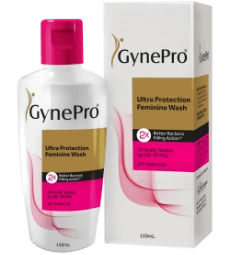
GynePro® Ultra Protection Feminine Wash helps provide up to 2x better protection against bacteria that cause period odor and discomfort (vs. Other feminine washes for common bacteria found in the intimate area such as E. coli and S. aureus), with regular use.
When to Use
- During the menstrual cycle for extra protection (morning and night)
- When experiencing unusual odor or discomfort
- Before and after intimate activities
- Daily for ongoing freshness and confidence
How to Use GynePro® Ultra Protection Feminine Wash
- Shake well before use.
- Wash hands thoroughly before application.
- Pour one palmful (5 mL) and use it as an external feminine wash.
- Apply externally to clean the intimate area.
- Use 1-2 times daily or as needed.
Doctor's Tip
- Best results when used consistently
- Pair with proper hygiene practices
- Consult your OB-GYN for personalized advice
- Safe for daily use with sensitive skin
GynePro® Ultra Protection Feminine Wash is available at a suggested retail price (SRP) of Php109 for the 60 mL bottle and Php225 for the 150 mL bottle.
It is available in leading supermarkets, groceries, and drugstores nationwide, as well as online via the UL Skin Sciences Shop, Shopee, TikTok Shop, Lazada, and Watsons.
Want to read more articles like this? Head over to our v-talk page!
References:
https://www.webmd.com/women/guide/sexual-health-vaginal-infections#1
https://www.everydayhealth.com/news/vaginal-infection-types/
https://www.bupa.co.uk/health-information/womens-health/vaginal-infections
Frequently Asked Questions
Have questions about GynePro® Ultra Protection Feminine Wash and vaginal itching? Explore answers here:
Is period itching normal?
Mild itching or increased sensitivity around the intimate area can happen around your period due to hormonal changes, heat, moisture, friction, or sanitary products. However, intense or persistent itching, especially with unusual discharge, odor, redness, swelling, or pain, may need medical attention.
How can I prevent period irritation?
To help prevent irritation during your period, change your sanitary product regularly, wear comfortable and breathable underwear, avoid unnecessary friction, and gently clean the external intimate area. Avoid douching or using harsh, heavily fragranced products around the vagina.
Can a feminine wash help with period irritation?
A feminine wash can help cleanse the external intimate area and maintain a feeling of freshness. It should not be used to treat infections or inserted into the vagina. If irritation is persistent or accompanied by unusual symptoms, seek advice from an OB-GYN.
What is GynePro® Ultra Protection Feminine Wash used for?
GynePro® Ultra Protection Feminine Wash is best used during periods. Use it twice a day in the morning and in the evening. On regular days, use 3 times a week or as prescribed by your OB-GYN. This feminine wash can also be used to clean the area before and after sexual intercourse.
How should you store this product?
Ideally, keep GynePro® Ultra Protection Feminine Wash out of sight and reach of children. Store this feminine wash at temperatures not exceeding 30 ºC.
How often should you use GynePro® Ultra Protection Feminine Wash?
Use GynePro® Ultra Protection Feminine Wash to replace your regular intimate area care solution during your period.
Use it to wash the intimate area twice a day, in the morning and evening, on red days, or when experiencing odor, itching, and/or irritation in the feminine area.
What’s the formulation of GynePro® Ultra Protection Feminine Wash?
GynePro® Ultra Protection Feminine Wash is made from purified water and uses minimal thickening agents to be safe for feminine area use. It has a thin and light consistency and offers better bacteria-killing action vs. other feminine wash brands.
Share this:
CONQUER RED DAY THREATS
Buy GynePro® now!

GynePro® 60mL


GynePro® 150mL


